Custom Sports Mouthguards vs. Store-Bought: What Athletes Need to Know
Every athlete knows the basics of protective gear — helmets, pads, shin guards. But one piece of equipment is consistently overlooked, both by weekend warriors and seasoned competitors: the mouthguard. A properly fitted mouthguard is one of the most effective tools for preventing dental injuries during physical activity, yet many athletes grab whatever is available at the checkout counter of a sporting goods store and consider the job done.
The truth is that not all mouthguards offer the same level of protection. The difference between a custom-fitted mouthguard made by a dentist and a store-bought option isn't just a matter of price — it comes down to fit, protection, durability, and whether the guard will actually stay in your mouth when it matters most. Whether you're an adult playing recreational hockey or a parent outfitting a young athlete for a contact sport, understanding these differences can help you make a genuinely informed decision.
The Three Types of Mouthguards
Before comparing custom and store-bought options, it helps to understand what's actually available. Mouthguards fall into three categories, and the differences between them are meaningful.
Stock mouthguards are pre-formed, ready-to-wear guards sold in one-size-fits-all sizing at sporting goods stores and pharmacies. They require no preparation and cost very little. The trade-off is significant: because they aren't shaped to your teeth, they tend to be bulky, shift during activity, and can make breathing and speaking difficult. Most dental professionals do not recommend them as a viable protective option. Research published in the British Journal of Sports Medicine rated stock mouthguards at the lowest possible protection level — just one step above wearing nothing at all — and noted they can create a false sense of security.
Boil-and-bite mouthguards are a step up. Made from thermoplastic material, they're softened in hot water and then pressed around the teeth to create a rough approximation of a custom fit. They're widely available and more affordable than custom guards. However, the molding process is imprecise — biting down too firmly during fitting can thin the material, reducing its protective capacity. The fit degrades over time, and many athletes find them uncomfortable enough to stop wearing consistently.
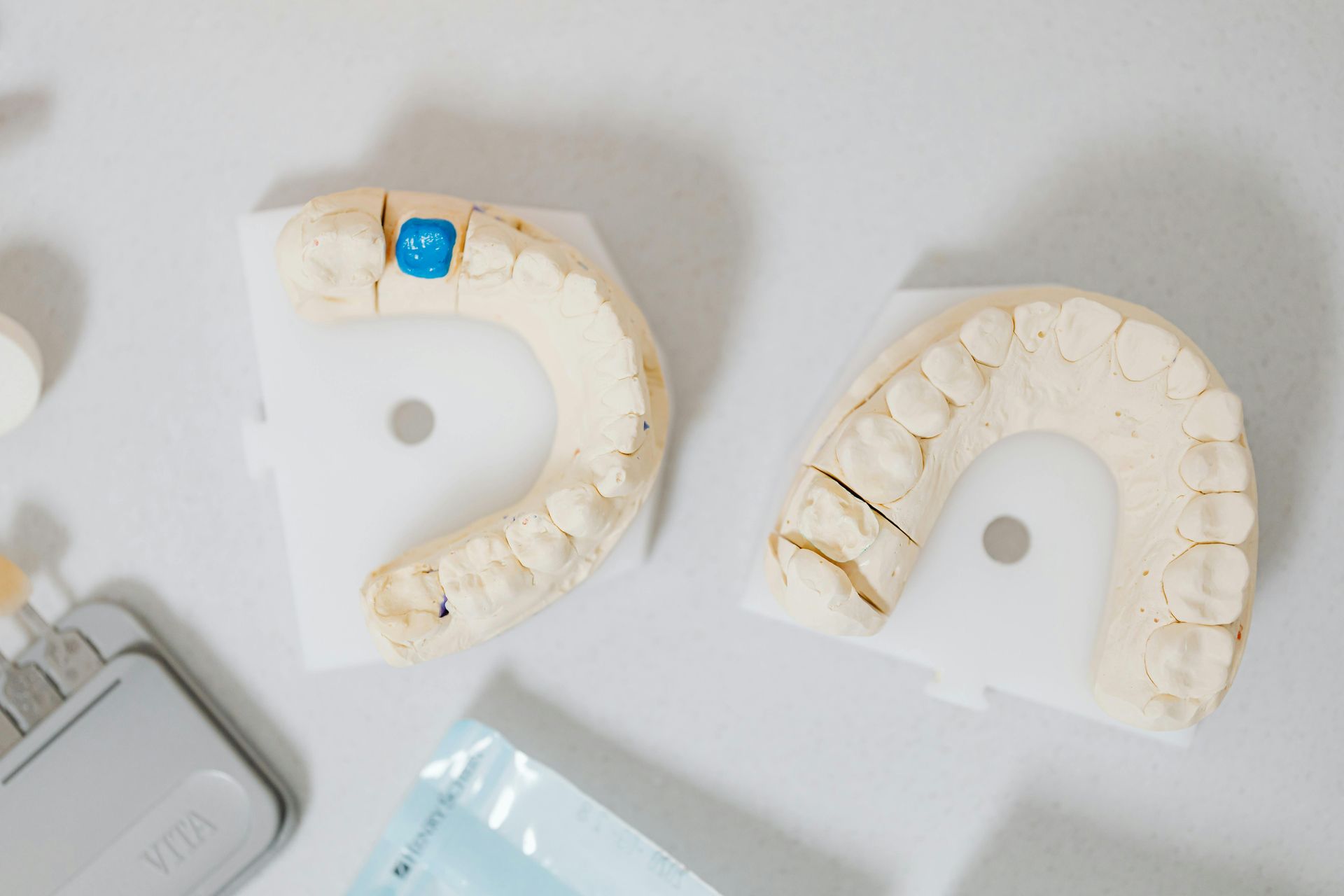
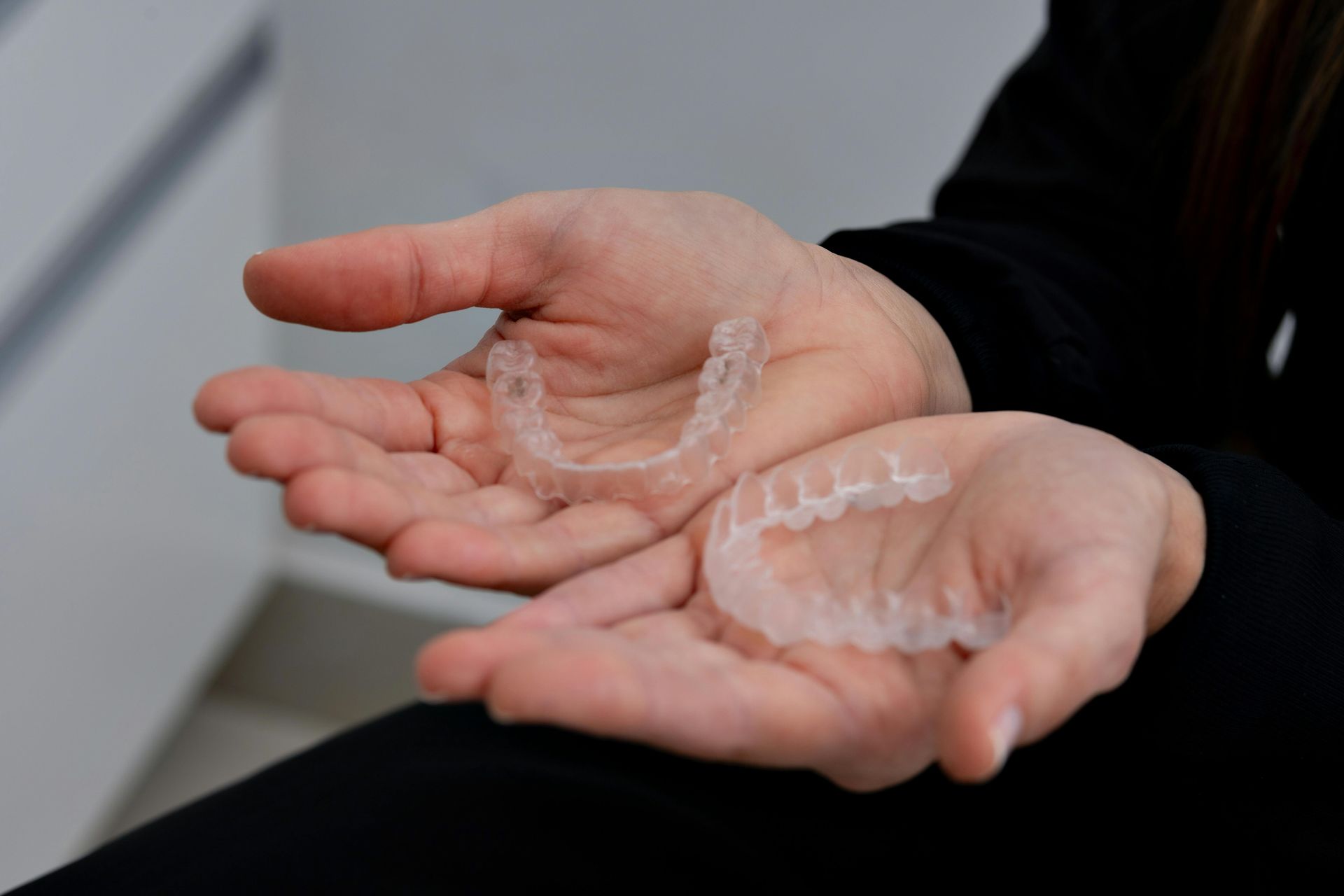
Custom mouthguards are fabricated by a dental laboratory using an impression or digital scan of your teeth. The result is a guard built to the exact contours of your mouth — snug, stable, and properly thick throughout. This precision is what sets them apart from any over-the-counter alternative.
Why Fit Is the Most Important Factor
A mouthguard that doesn't fit well won't be worn, and a mouthguard that isn't worn provides no protection at all. This is the central problem with most store-bought options — even when athletes purchase them with good intentions, the discomfort of a poorly fitting guard leads to inconsistent use.
Custom mouthguards are built from an exact model of the athlete's teeth and jaw, which means they stay securely in place without requiring the wearer to clench their teeth to hold the guard in position. This matters practically: athletes can breathe freely during intense exertion, communicate with teammates without removing the guard, and focus entirely on the sport rather than the equipment in their mouth.
The fit of a custom guard also directly affects protection. When a mouthguard moves during impact — as loosely fitting store-bought guards often do — it can't distribute force effectively. A guard that sits precisely against the teeth and gums absorbs and disperses the energy of a blow across a wider surface area, reducing the likelihood that any single tooth or area of the jaw takes the full force.
Protection: What the Research Supports
The purpose of a mouthguard extends beyond protecting individual teeth. A well-made guard also shields the soft tissue of the lips, cheeks, and tongue from cuts caused by contact with sharp tooth edges. There is additional evidence that mouthguards may help reduce the transmission of impact force to the skull, which has implications for concussion risk — though the science in this area continues to develop.
What is well-established is the risk of going unprotected. The National Youth Sports Foundation for Safety has reported that athletes without mouthguards are significantly more likely to sustain dental injuries than those who wear them. Dental trauma from sports can range from chipped or cracked teeth to complete tooth avulsion — and the long-term cost of treating a lost front tooth can range from $5,000 to $10,000 over a lifetime, far exceeding the cost of any mouthguard.
A 2024 simulation study found that custom-fitted mouthguards reduce mechanical stress on teeth and jaw structures by more than 25% compared to standard alternatives. The American Academy of Pediatric Dentistry supports the use of custom-fitted mouthguards in all collision and contact sports for this reason.
Durability and Long-Term Value
Store-bought mouthguards are typically made from lower-grade thermoplastic materials that wear down, warp, or degrade relatively quickly — particularly with regular use. Boil-and-bite guards that are re-molded multiple times lose material integrity with each cycle. Most need to be replaced several times over the course of a single season.
Custom mouthguards are fabricated from medical-grade materials that hold their shape and thickness under repeated impact. With proper care, a custom guard can last three to five years for adults whose dental anatomy isn't changing. For younger athletes who are still growing, guards should be reassessed more frequently to ensure continued proper fit — but the material itself remains durable throughout.
When the full cost of replacement store-bought guards is factored over a season or multiple seasons, the price difference between custom and over-the-counter narrows considerably. A custom mouthguard typically costs between $150 and $300 through a dental office — a modest investment when weighed against both the long-term cost of repeated replacements and the potential cost of treating a dental injury that a better-fitting guard might have prevented.
Who Should Prioritize a Custom Mouthguard
While any athlete who plays a contact or collision sport benefits from proper mouthguard protection, certain groups have particular reason to invest in a custom option.
Youth athletes are especially vulnerable to dental injury because their teeth and jaw structures are still developing. A dental trauma at a young age can have consequences that extend well into adulthood, including damage to permanent teeth that have not yet fully erupted. Custom guards can be sized appropriately for a child's mouth, something stock options cannot reliably accomplish.
Athletes with orthodontic appliances — including traditional braces or clear aligners — need mouthguards that account for the hardware in their mouths. A custom guard can be fabricated to accommodate brackets and wires, providing protection for both the teeth and the orthodontic investment. A generic guard worn over braces is typically ill-fitting and may cause additional irritation.
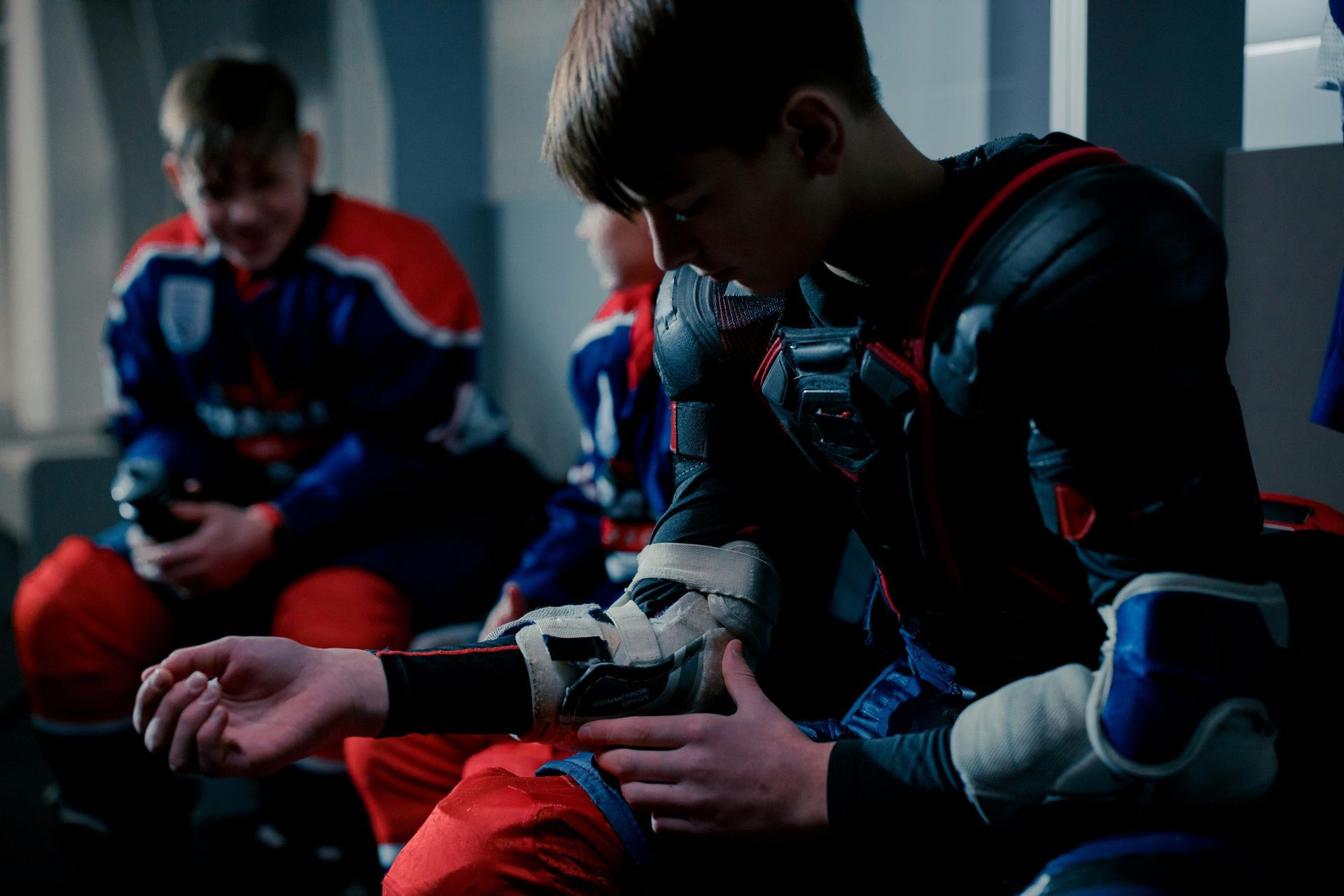
High-impact sport participants — including football, hockey, lacrosse, martial arts, basketball, and rugby players — experience the kind of collision forces that demand reliable, consistent protection. For these athletes, the margin between a guard that stays in place and one that shifts at the moment of impact is the difference between a scare and a serious injury.
Even athletes in sports not traditionally associated with dental injury — gymnastics, skateboarding, skiing, and cycling — benefit from mouthguard use. Unexpected falls carry real dental risk regardless of the sport.
The Custom Mouthguard Process
Getting a custom mouthguard through a dental office is straightforward. At the first appointment, your dentist takes an impression of your teeth or performs a digital scan. That data is sent to a dental laboratory, where a mouthguard is fabricated to the exact contours of your mouth. A second appointment — typically brief — is scheduled for the final fitting and any necessary adjustments.
The process usually takes one to two weeks from impression to delivery. The result is a guard that fits without thought and protects without compromise.
Caring for Your Mouthguard
A custom mouthguard is worth protecting. Rinse it thoroughly after every use and clean it gently with a soft toothbrush and mild soap — avoid hot water, which can distort the material. Store it in a ventilated case to prevent bacterial buildup. Inspect it periodically for signs of wear, thinning, or distortion, and bring it to dental appointments so your provider can confirm it still fits correctly.
Frequently Asked Questions
A custom mouthguard obtained through a dental office typically costs between $150 and $300, depending on the provider and the complexity of the guard. Some dental insurance plans cover a portion of the cost, particularly for patients with documented sports participation or orthodontic needs — it's worth checking your plan's benefits before assuming it's entirely out of pocket.
When compared to the cost of replacing store-bought guards multiple times per season, and especially when weighed against the potential cost of treating a dental injury, a custom guard represents strong long-term value.
Yes. A custom mouthguard can be fabricated to accommodate braces, brackets, and wires. In fact, athletes undergoing orthodontic treatment have an additional reason to invest in proper protection — a dental injury during treatment can damage both the teeth and the orthodontic appliances themselves, which can be costly and time-consuming to repair.
Your dentist will take an impression that accounts for the current position of the braces, and the resulting guard is designed to fit comfortably over the hardware. As orthodontic treatment progresses, the guard may need to be updated to maintain proper fit.
For adults whose dental anatomy is stable, a well-maintained custom mouthguard can last three to five years. The medical-grade materials used hold their shape and protective thickness far longer than the thermoplastic used in boil-and-bite guards.
For children and teenagers, the fit should be reassessed more frequently — typically every season or at each dental checkup — because the jaw and teeth continue to develop. A guard that no longer fits properly provides less protection and should be replaced.
Many organized sports leagues — including football, hockey, lacrosse, and boxing — mandate mouthguard use. But the list of sports where mouthguard protection is clinically advisable is much broader. Basketball, soccer, martial arts, rugby, gymnastics, skateboarding, skiing, and cycling all carry meaningful risk of dental trauma from contact, collision, or falls.
The American Dental Association recommends mouthguards for any sport involving contact, collision, or the possibility of falling. If there is any chance of impact to the face or mouth, a mouthguard is worth wearing regardless of whether the sport formally requires it.
A boil-and-bite guard offers better protection than a stock guard, but it falls meaningfully short of what a custom mouthguard provides — particularly for high-impact or collision sports. The fitting process is imprecise, the material thins unevenly, and the guard tends to become less effective over time as it wears down or loses its shape.
For recreational or low-impact activities, a well-fitted boil-and-bite guard may be acceptable. For athletes who participate regularly in contact sports, or for children whose developing teeth deserve the highest level of protection available, a custom mouthguard is the more appropriate choice.
Protecting Your Smile Starts Before the Whistle Blows
A mouthguard is one of the least expensive pieces of protective equipment an athlete can own, and a custom-fitted one is one of the most effective. The difference between a store-bought guard and a custom guard isn't just about comfort — it's about whether the protection you think you have is actually working when it counts.
For athletes of any age or skill level, the right mouthguard is the one that fits correctly, stays in place, and gets worn every time. A custom mouthguard makes all three of those things considerably easier to achieve.
A Local Resource in Manchester, NH
If you or your athlete needs a professionally fitted sports mouthguard, Hoertdoerfer Dentistry in Manchester, New Hampshire provides custom mouthguards alongside a full range of general, cosmetic, and family dental services. Their team can take impressions, discuss the right guard for your sport and bite, and ensure the fit is right before you take the field.