How Long Does Professional Teeth Whitening Last?
A whiter smile is one of the most common goals patients bring up in a dental chair. Professional teeth whitening is among the most effective cosmetic dental treatments available — delivering noticeable results quickly and safely under clinical supervision. But one question almost always follows the treatment: how long is this going to last?
The honest answer is that it depends. Professional whitening results are not permanent, and how long they hold comes down to a combination of the treatment type, your daily habits, and the natural characteristics of your teeth. Understanding these variables helps you set realistic expectations — and make choices that keep your smile brighter for longer.
What Professional Teeth Whitening Actually Does
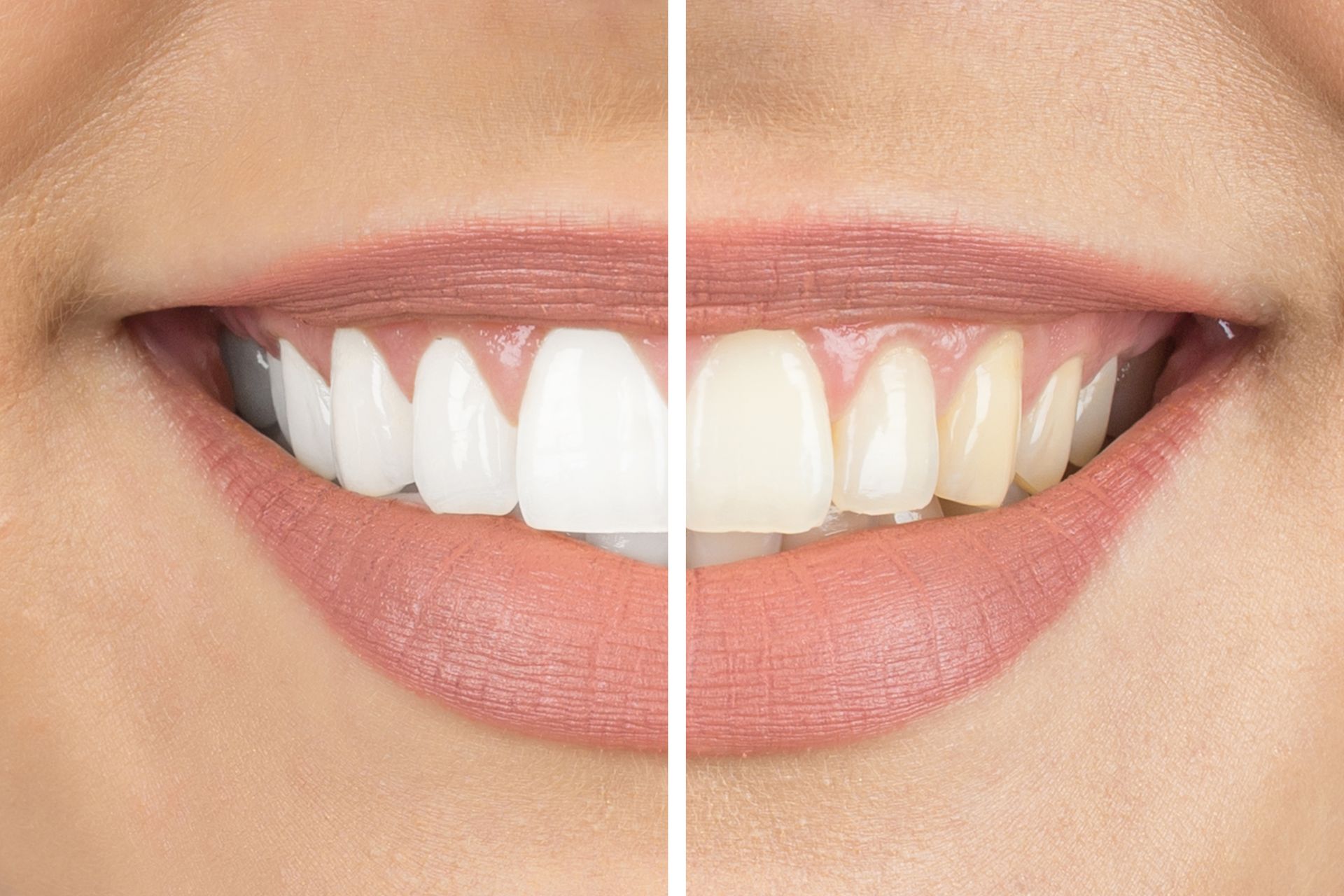
Professional whitening uses peroxide-based bleaching agents — typically hydrogen peroxide or carbamide peroxide — applied at concentrations significantly higher than anything available over the counter. These agents penetrate the enamel and break apart the molecular compounds that cause discoloration, lightening the underlying color of the tooth rather than simply buffing away surface stains.
Because teeth are naturally porous, they absorb pigments from food, beverages, and other sources over time. Whitening reverses the accumulated discoloration — but the porosity that allowed staining in the first place remains. This is why no whitening treatment, regardless of strength, produces permanent results. What you can control is how quickly new staining occurs and how well you maintain the brightness you've achieved.
There are two primary forms of professional whitening: in-office treatment performed by a dentist, and take-home kits dispensed by a dental practice. Both use professional-grade formulas and offer meaningfully better results than store-bought alternatives — but they differ in speed, concentration, and longevity.
In-Office Whitening: Results and Duration
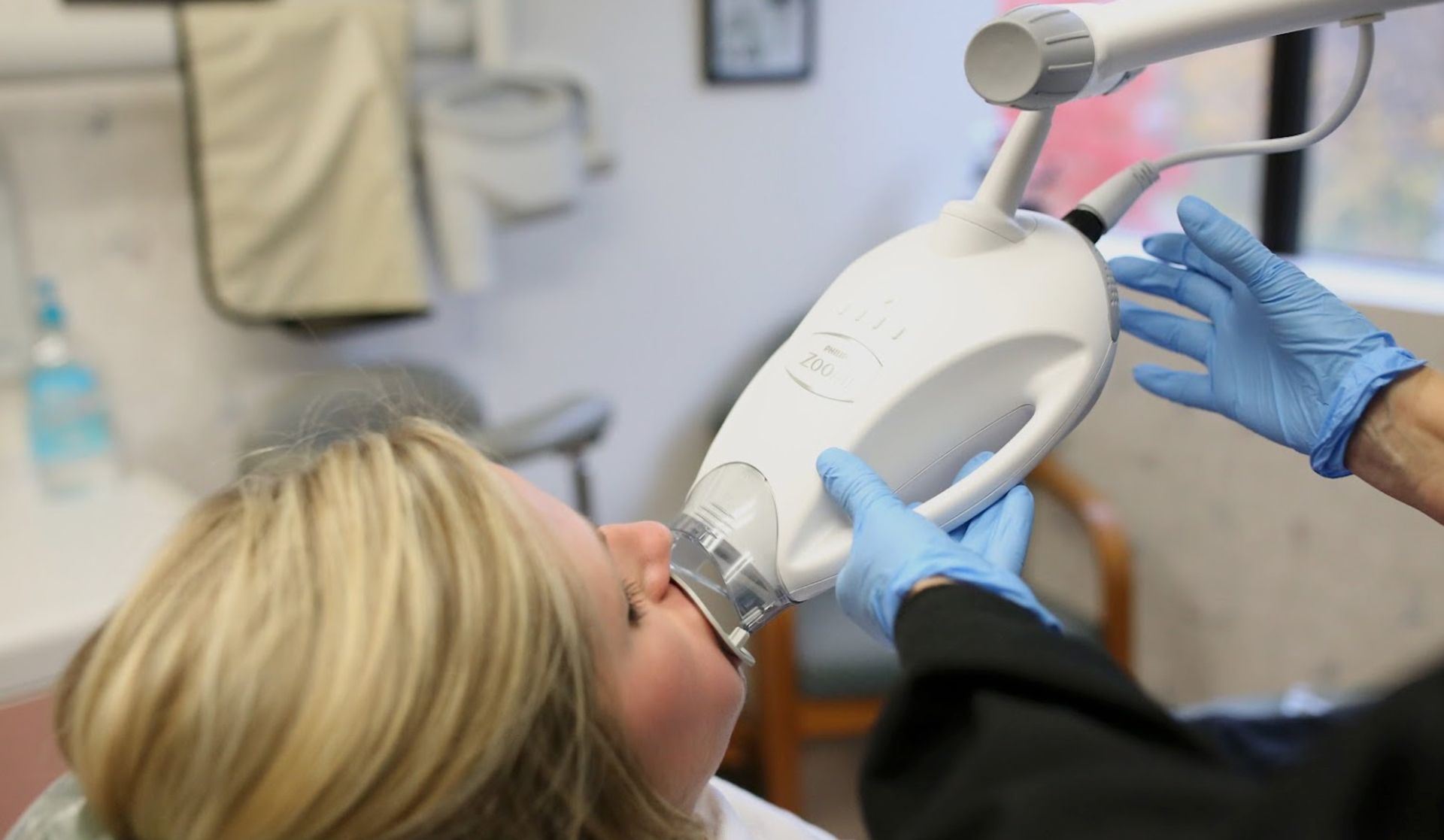
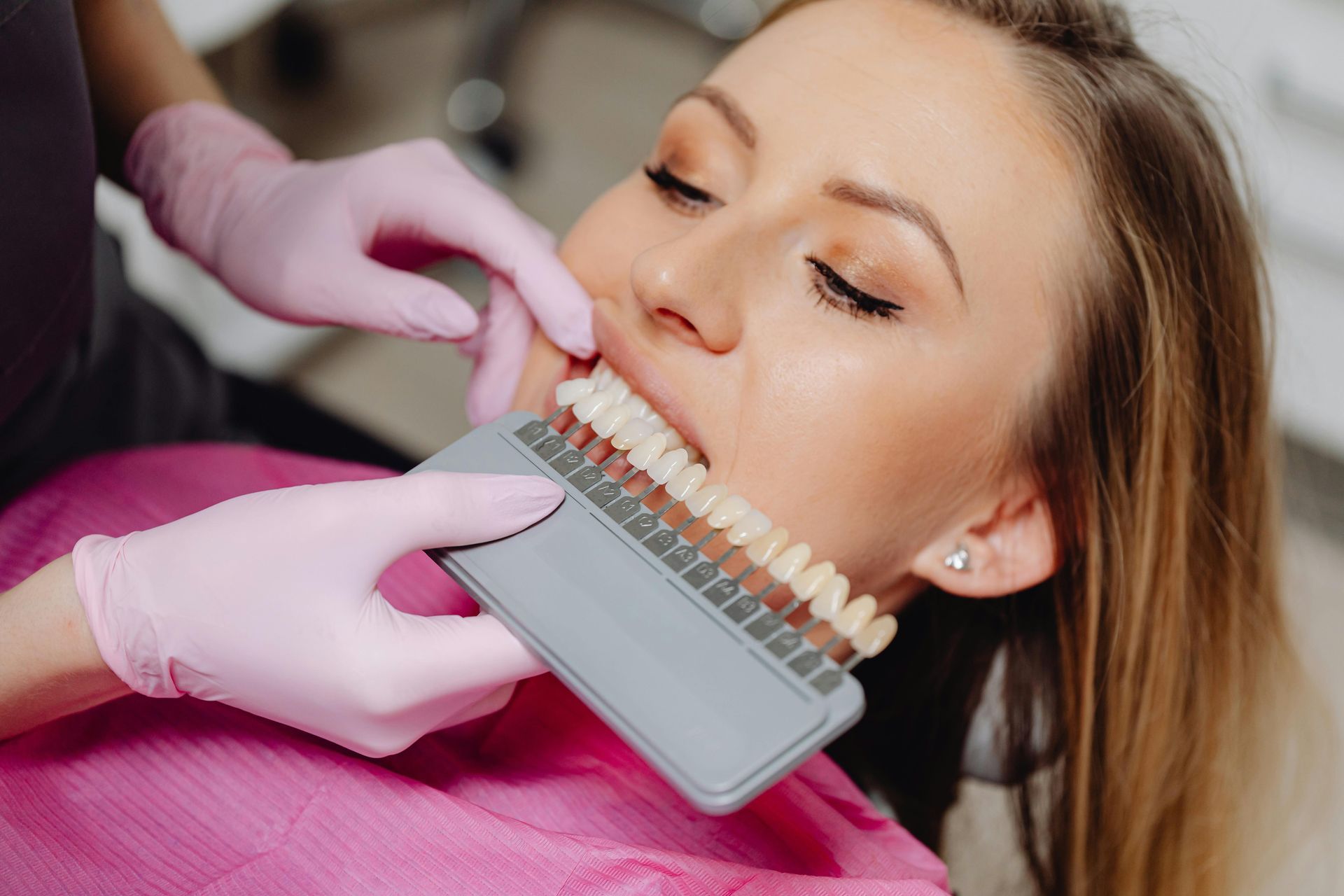
In-office whitening is performed entirely at your dental practice, typically in a single appointment lasting one to two hours. Your dentist applies a high-concentration bleaching gel directly to your teeth, often with protective measures in place to shield the gum tissue. Some systems use a light source to activate or accelerate the bleaching agent, though the gel itself does the primary work.
Results are visible immediately — most patients leave with teeth that are several shades lighter than when they arrived. In terms of longevity, in-office whitening generally offers the most durable outcome of any whitening method. With consistent oral care and reasonable dietary habits, results can last anywhere from one to three years before a meaningful touch-up is needed.
The concentration of bleaching agent used in an in-office setting achieves deeper penetration into the enamel than take-home or over-the-counter options, which is what accounts for both the dramatic initial result and the longer-lasting effect.
Take-Home Kits from Your Dentist: A Different Approach
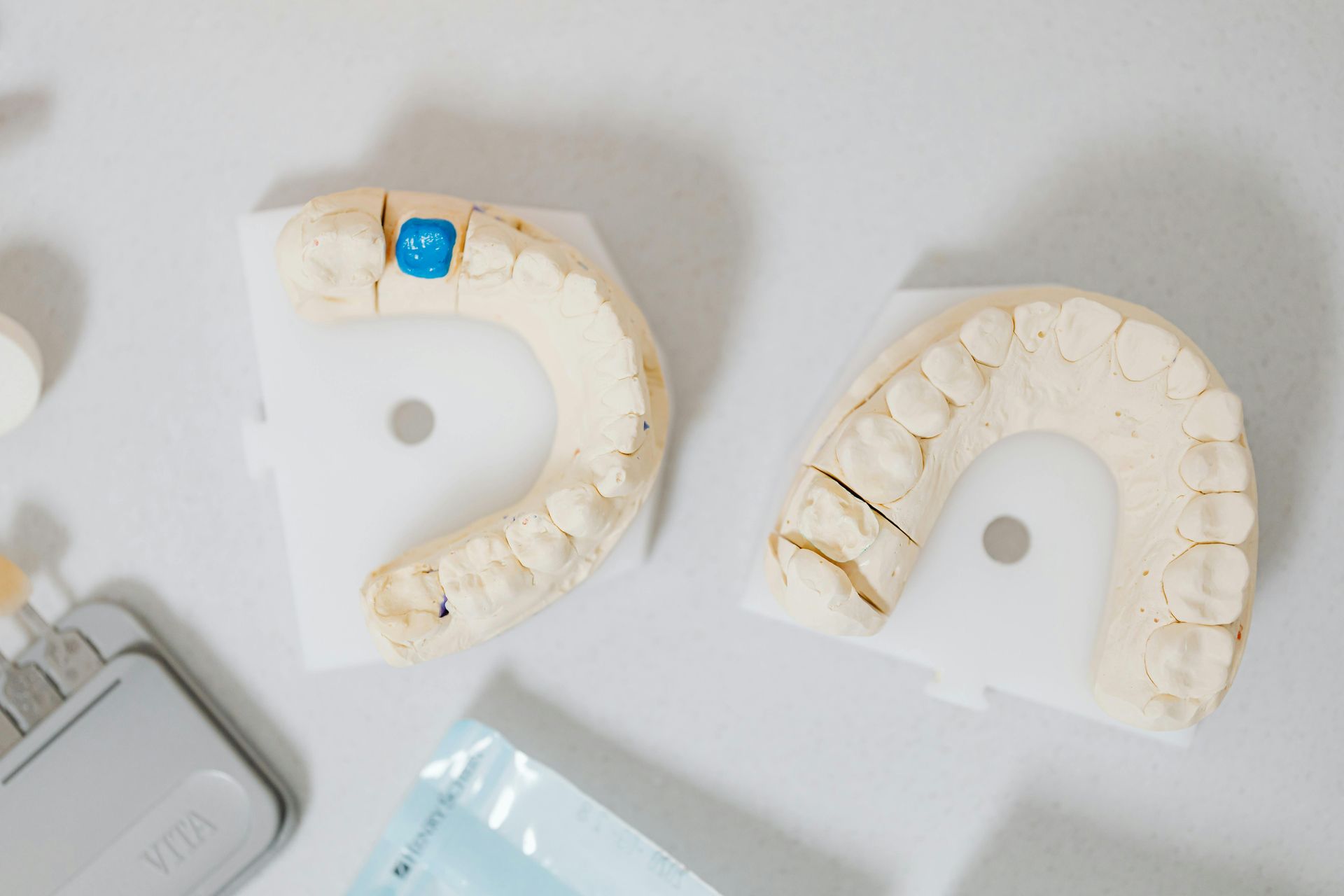
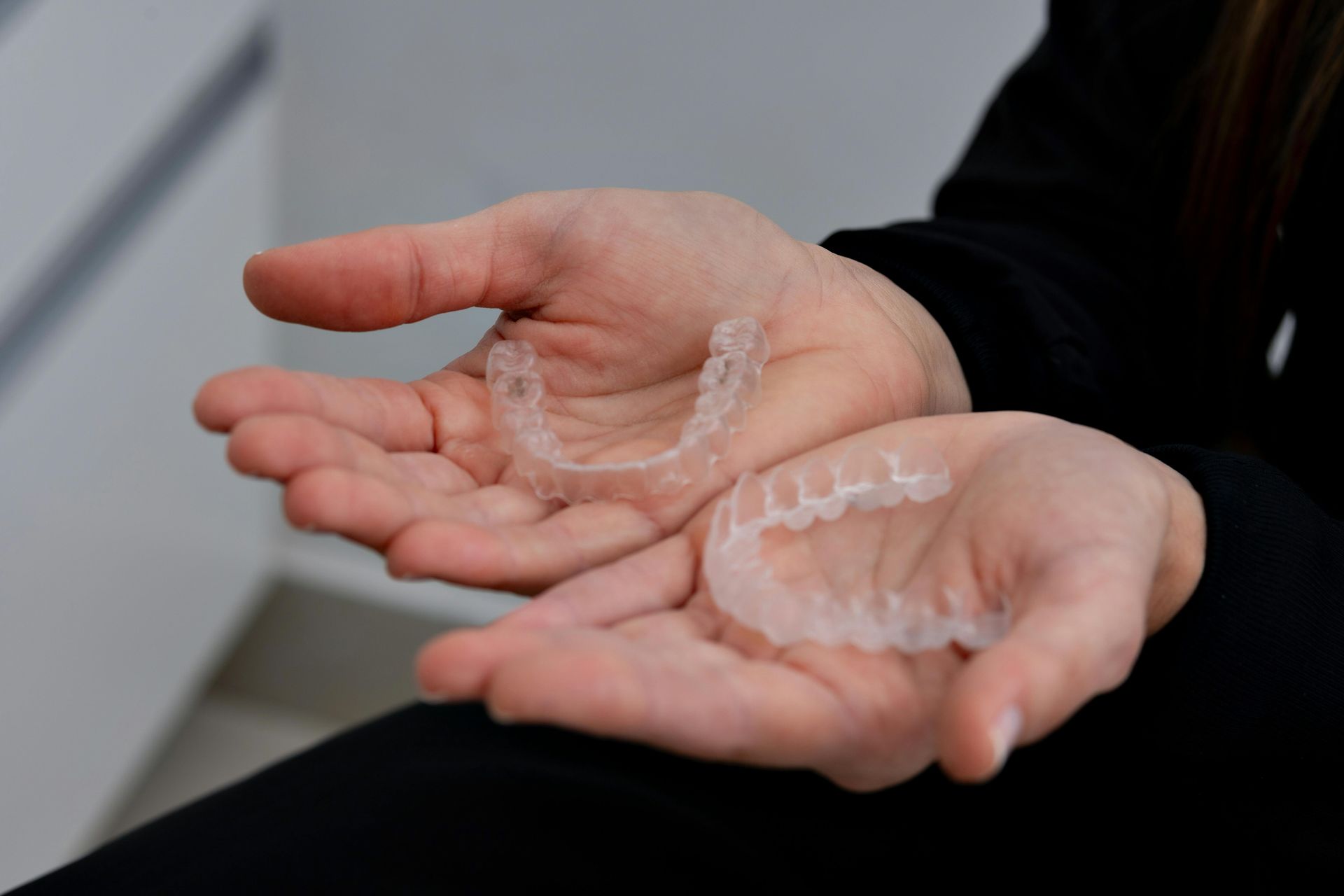
Professional take-home whitening kits involve custom-fitted trays made from impressions of your teeth, paired with a bleaching gel formulated at a professional grade — stronger than anything sold over the counter, but lower in concentration than the gels used in-office. The trays are worn for a prescribed amount of time each day (or overnight, depending on the formula) for a period of one to several weeks.
Because the process is more gradual, results build over time rather than appearing in a single session. Take-home kits from a dental practice typically produce results that last six months to a year with good maintenance habits. They're also a practical option for ongoing touch-ups after an in-office treatment — using the custom trays periodically to refresh brightness between full treatments.
The fit of professionally made trays matters significantly. Generic over-the-counter trays leave gaps that allow the gel to contact gum tissue, cause uneven coverage, and waste product. Custom trays deliver the bleaching agent precisely where it needs to go, improving both safety and effectiveness.
How Store-Bought Products Compare
Over-the-counter whitening strips, gels, and toothpastes use far lower concentrations of bleaching agents than professional options — by design, since they are used without clinical supervision. They can produce mild improvements in surface brightness, but the results are typically modest and fade quickly, often within three to six months and sometimes sooner.
Whitening toothpastes work primarily through mild abrasives that polish surface stains rather than bleaching agents. They can help maintain the brightness achieved through professional treatment, but they don't penetrate enamel deeply enough to produce meaningful whitening on their own. If you're weighing whether professional treatment is worth the investment, the comparison in both result quality and longevity is significant.
What Affects How Long Your Results Last
No two patients experience the same whitening duration, and lifestyle factors play a larger role than most people expect. These are the variables with the greatest influence on how long your results hold.
Diet and beverages. Coffee, tea, red wine, dark fruit juices, tomato-based sauces, soy sauce, berries, and cola are among the most common contributors to re-staining. The pigment compounds in these foods and drinks — called chromogens — bind readily to tooth enamel. This doesn't mean eliminating them entirely, but being mindful of frequency and rinsing with water after consuming them makes a real difference over time.
Tobacco use. Nicotine and tar are among the most aggressive staining agents for enamel. Smoking or using other tobacco products significantly shortens the lifespan of whitening results, often more rapidly than any dietary factor.
Oral hygiene. Brushing twice daily, flossing, and attending regular professional cleanings prevent the plaque and surface debris buildup that dull a smile over time. Teeth that are consistently clean hold whitening results longer than teeth where plaque accumulates between cleanings.
The 48-hour window. The enamel is temporarily more porous and absorbent immediately following a whitening treatment. The first 48 hours after treatment carry the highest staining risk. Avoiding heavily pigmented foods and beverages during this window is one of the most effective steps you can take to protect your results from the outset.
Natural tooth characteristics. Teeth with naturally thinner enamel may whiten less dramatically and re-stain more quickly. Intrinsic staining — discoloration that originates inside the tooth rather than on the surface, sometimes caused by certain medications, early antibiotic exposure, or trauma — responds differently to bleaching than surface staining and may require a different treatment approach.
Existing dental restorations. Crowns, veneers, bonding, and tooth-colored fillings do not respond to bleaching agents. If you have visible restorations on front teeth, whitening the surrounding natural teeth can create a mismatch in shade. Your dentist can advise on the best sequencing if cosmetic work is planned.
How to Make Your Results Last Longer
The steps that preserve whitening results are largely the same steps that support good overall oral health, which means maintaining brightness and caring for your teeth are not competing goals.
Brush at least twice a day with a soft-bristled toothbrush, and floss daily. If your dentist has recommended a whitening toothpaste for maintenance, use it as directed — but avoid abrasive formulas that can wear enamel with extended use. Schedule professional cleanings every six months; a hygienist removes the surface stain and tartar buildup that gradually dulls a smile regardless of whitening history.
When drinking coffee, tea, or wine, using a straw reduces direct contact between the liquid and your enamel. Rinsing your mouth with water after consuming stain-causing foods is a simple habit that meaningfully limits re-staining. You don't have to reorganize your entire diet — small, consistent adjustments add up over months and seasons.
Finally, discuss touch-up options with your dentist. Most patients benefit from a periodic refresh every six to twelve months, particularly those who regularly consume staining beverages. A brief touch-up at home with dentist-supplied gel and your custom trays can restore brightness without the need for a full in-office retreatment.
Is Professional Whitening Safe for Your Enamel?
This is a common concern, and the short answer is yes — professional whitening performed or supervised by a dentist is safe for enamel when used as directed. The bleaching agents used in professional treatments have a well-established safety record and do not structurally damage healthy enamel.
Some patients experience temporary sensitivity during or after treatment, particularly those who already have sensitive teeth. This typically resolves within a few days. Your dentist can recommend desensitizing products if needed and can tailor the treatment protocol — gel concentration, application time, or frequency — to reduce discomfort without sacrificing results.
Whitening is not appropriate for all patients. Active tooth decay, untreated gum disease, and significant enamel erosion should be addressed before any whitening treatment begins. Your dentist will evaluate your oral health before proceeding to ensure whitening is both safe and likely to produce good results for your specific situation.
Frequently Asked Questions
How long does professional teeth whitening last on average?
Professional teeth whitening results typically last between six months and three years, depending on the type of treatment and the patient's habits afterward. In-office whitening, which uses the highest concentration of bleaching agents, tends to produce the most durable results — often one to three years with good care. Take-home kits dispensed by a dentist generally last six months to a year.
These ranges reflect real variation between patients. Someone who drinks coffee daily, uses tobacco, or doesn't maintain a consistent oral hygiene routine will see results fade more quickly than someone who avoids major staining habits and keeps up with regular dental cleanings.
What foods and drinks should I avoid after teeth whitening?
The first 48 hours after whitening are the most critical window for protecting your results, as enamel is temporarily more absorbent during this period. During this time, it's worth avoiding coffee, tea, red wine, dark sodas, berries, tomato-based sauces, soy sauce, and any food or drink with strong pigmentation.
Beyond the initial 48 hours, you don't need to permanently eliminate these foods — but moderating consumption and rinsing with water after eating or drinking staining foods helps slow re-discoloration over time. Using a straw when drinking pigmented beverages also reduces direct contact with the enamel.
How often do I need a whitening touch-up?
Most patients benefit from a touch-up every six to twelve months, though this varies based on lifestyle. Patients who consume staining foods and beverages regularly, or who notice their brightness fading sooner, may find quarterly touch-ups helpful. Those who maintain careful dietary habits and consistent oral hygiene may go longer between refreshes.
Touch-ups are typically much simpler than the original treatment. If you received a take-home kit from your dentist, the custom trays can be used with a small amount of whitening gel to restore brightness without scheduling a full in-office appointment. Ask your dentist what maintenance approach makes the most sense for your situation.
Does professional teeth whitening damage enamel?
Professional whitening treatments that are performed or supervised by a dentist are considered safe for healthy enamel. The bleaching agents used — hydrogen peroxide and carbamide peroxide — have been studied extensively and do not structurally harm enamel when used appropriately. Temporary sensitivity is a common side effect, particularly in patients who already experience sensitive teeth, but it typically resolves within a few days of completing treatment.
What can contribute to enamel damage is overuse of abrasive over-the-counter products, or whitening on teeth with pre-existing enamel erosion or untreated decay. This is one of the reasons a professional evaluation before whitening matters — your dentist can identify conditions that should be addressed first and tailor a treatment protocol that protects your long-term oral health.
Can everyone get professional teeth whitening?
Most adults with healthy teeth and gums are good candidates for professional whitening. However, there are some situations where whitening is not recommended without first addressing other dental concerns. Active tooth decay, untreated gum disease, and significant enamel erosion should all be resolved before whitening begins. Whitening during pregnancy is generally not advised.
Patients with extensive dental restorations on visible teeth — crowns, veneers, or tooth-colored fillings — should be aware that those materials do not respond to bleaching agents. A conversation with your dentist before treatment helps ensure you have realistic expectations and a clear plan for achieving the result you're looking for.
A Brighter Smile That Lasts Starts with the Right Treatment
Professional teeth whitening delivers results that over-the-counter products simply can't match — in terms of both the degree of whitening and how long that brightness holds. But maintaining those results is an active process, not a passive one. Consistent oral hygiene, informed dietary choices, and periodic touch-ups are what separate a smile that stays bright for years from one that fades within months.
If you're considering whitening or wondering whether your current results are holding as well as they should, the best starting point is a conversation with your dentist about which treatment approach fits your teeth, your lifestyle, and your goals.
A Local Resource in Manchester, NH
If you're considering professional teeth whitening in the Manchester area, Hoertdoerfer Dentistry offers cosmetic, general, and family dental services designed to help patients achieve and maintain healthier, brighter smiles. Our team can evaluate your candidacy for whitening, discuss in-office and take-home options, and help you build a maintenance plan that fits your routine.